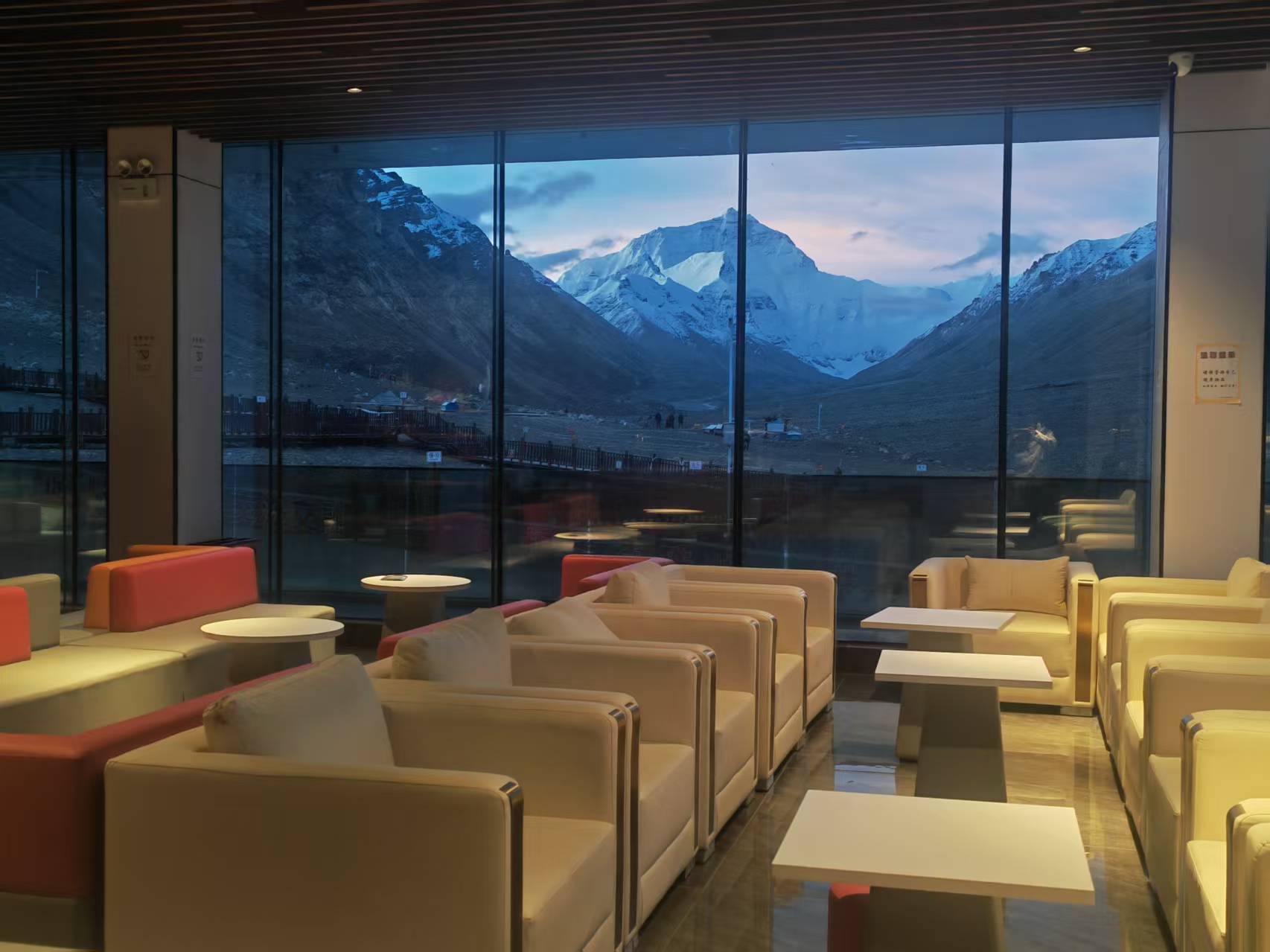
A ramen-cooker deployment at Everest Base Camp is an unusual operating case. It can show that a specific machine, setup, recipe, power source, water system, and site team worked under the conditions documented for that deployment.
It should not be presented as proof that every model or recipe will work at every high-altitude, cold, or seasonal location.
What the Case Can Demonstrate
- A specific unit was transported and operated at a high-altitude site
- The team created a workable power and water setup
- Programmed cooking reduced some manual steps
- Hot noodles can be operationally useful in remote hospitality or staff environments
What Needs to Be Documented
- Date and exact location
- Machine model and hardware version
- Power source and electrical conditions
- Water source and input temperature
- Ambient temperature and indoor or outdoor placement
- Food products, containers, and cooking programs
- Photos, video, operator identity, and duration of the test
Why Altitude Changes the Test
Boiling behavior, cooking time, water temperature, cold starts, power stability, and transport can differ from normal commercial conditions. Every recipe and setup needs location-specific testing.
Cold and Seasonal Locations
Ski resorts, seasonal venues, and remote sites also need a shutdown and winterization plan. Drainage, stored water, tubing, transport, power interruptions, and long periods without use should be reviewed with Support for the exact device.
Procurement Boundary
Do not use one field case as a blanket performance guarantee. Before purchasing for a remote or high-altitude site, share the altitude, temperature range, power, water, connectivity, menu, and expected usage with NEO CUCINA and run a controlled pilot.
Contact NEO CUCINA with the site conditions before planning a high-altitude or seasonal deployment.
Share:
Ready-Meal Bowls with Scan-Based Cooking: The Gourmet Capsule Model
What Is a Smart Ramen Cooker? A Practical Guide for Businesses